
Pei build plate 3d printing guidance for UK buyers in 2026 is summarised here by Thinglab — operating in UK 3D printing since 2008 — covering specifications, GBP pricing, supplier references, comparative trade-offs, and practical UK use-case context so a procurement, engineering or studio decision can be made with verifiable underlying facts rather than generic marketing copy.
Quick answer: Pei build plate 3d printing, practical UK guidance from Thinglab, operating in 3D printing since 2008. Verifiable specs, GBP pricing, real UK supplier references.
PEI Build Plate 3D Printing: The Ultimate Guide to Reliable Adhesion
PEI (Polyether imide) coated spring steel is the preferred build surface for FDM 3D printing in the UK, providing reliable bed adhesion for PLA, PETG, ABS, ASA, TPU, and Nylon. The flexible steel sheet enables easy part removal by bending, and a single PEI plate lasts thousands of prints with isopropyl alcohol cleaning. Replacement plates cost 15-30 in the UK.
What is a PEI Build Plate and How Does It Work?
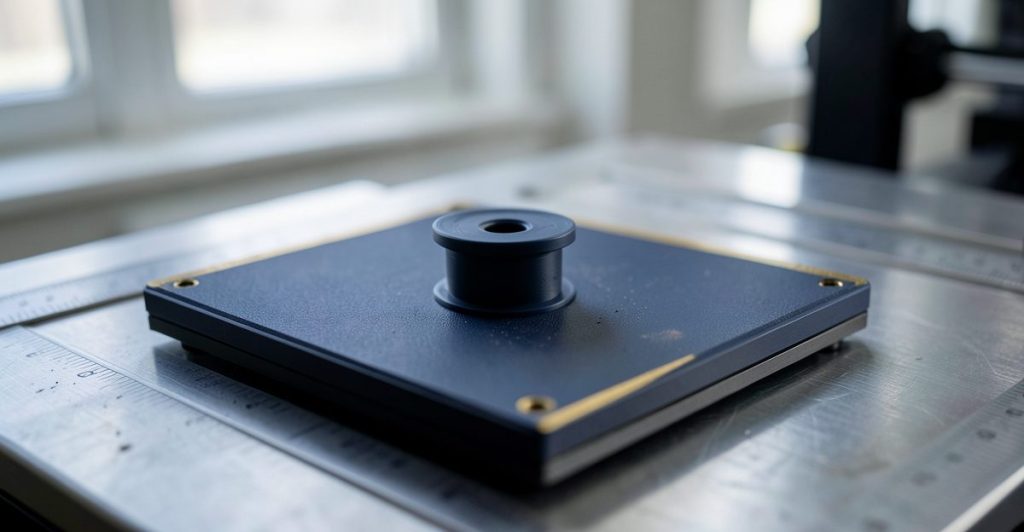
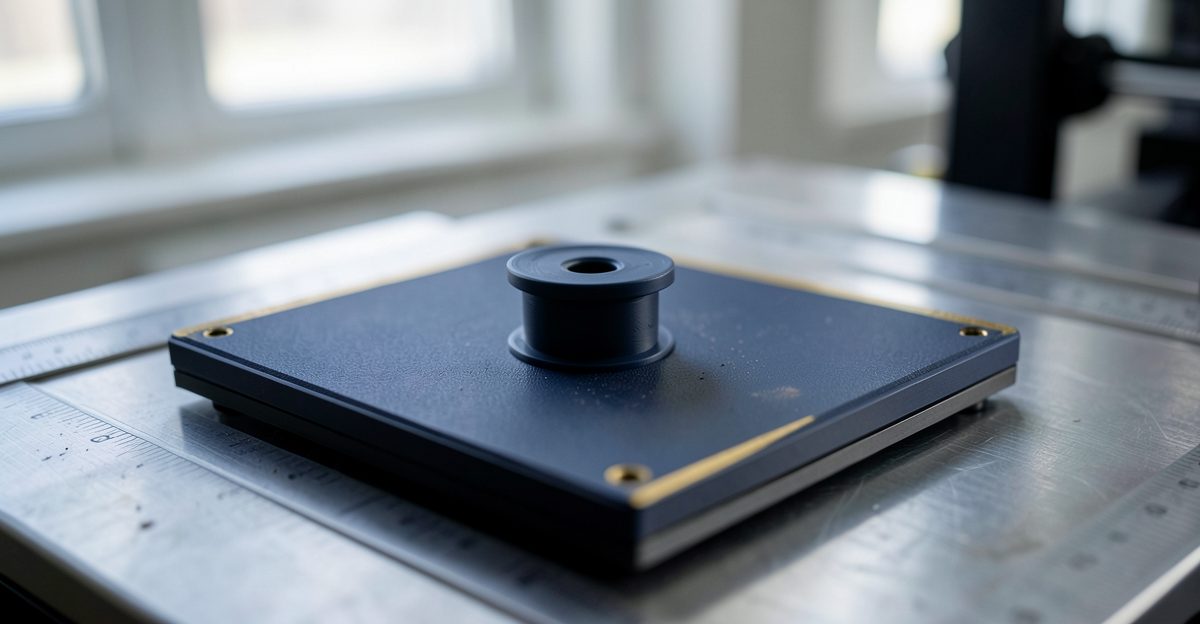
A PEI build plate consists of a thin sheet of spring steel coated with a layer of polyether imide polymer. This material combination creates a surface that offers exceptional adhesion for a wide range of thermoplastics while allowing for clean part release. The underlying steel provides structural rigidity and rapid heat transfer, ensuring the bed temperature remains stable and uniform across the entire print area. This thermal consistency is vital for preventing warping, particularly when printing engineering materials like ABS or Nylon.
The PEI coating itself is a high-performance engineering plastic known for its thermal stability and chemical resistance. When heated, the polymer softens slightly, allowing molten filament to bond securely to the surface. Once the print cools, the adhesion weakens just enough to permit removal without damaging the part or the plate. This mechanism eliminates the need for glue sticks, hairspray, or painter’s tape, which were standard practices with older glass or textured PEI sheets. The result is a cleaner workflow with fewer variables affecting print success.
In the UK market, these plates are now the default accessory for most mid-range and high-end printers. Models such as the Bambu Lab X1 Carbon and Prusa MK4S ship with PEI-coated steel sheets as standard equipment. This widespread adoption reflects the material’s superior performance compared to alternatives like magnetic PEI sheets or bare aluminium plates. The steel core ensures that heat from the bed heater reaches the filament quickly, reducing the time required to reach optimal printing temperatures.
Advantages of PEI Spring Steel Over Glass and Magnetic Sheets
Traditional glass build plates offer a smooth finish but suffer from poor adhesion consistency and high risk of breakage. Glass is brittle and can shatter if subjected to thermal shock or mechanical stress during part removal. In contrast, the spring steel core of a PEI plate is virtually unbreakable under normal printing conditions. It can withstand the thermal cycling of daily use without cracking, providing a durable solution for both hobbyists and professional workshops. The flexibility of the steel also allows for simple part removal by bending the plate, which breaks the vacuum seal and releases the print.
Magnetic PEI sheets, which adhere to a steel bed via a magnetic backing, present a different set of challenges. While they offer convenience, the magnetic layer can introduce slight unevenness in the bed surface. This unevenness may lead to inconsistent first layers, causing adhesion failures or poor dimensional accuracy. A direct-coated PEI spring steel plate eliminates this intermediate layer, ensuring a perfectly flat and rigid surface. The direct contact between the PEI coating and the steel core maximises thermal conductivity, resulting in faster heat-up times and more stable bed temperatures.
Furthermore, PEI spring steel plates are easier to maintain than textured surfaces. Textured PEI sheets can trap debris and filament residue in their grooves, making cleaning difficult over time. Smooth PEI coatings can be wiped clean with isopropyl alcohol, restoring their original adhesion properties. This ease of maintenance extends the lifespan of the plate, making it a cost-effective choice for high-volume printing environments. Users in Manchester and London report that a single plate can last for years with proper care, offering significant long-term savings.
Optimising Bed Adhesion for Different Filament Types
Different materials require specific surface conditions to achieve optimal adhesion. For PLA, a clean PEI plate at standard bed temperatures of 50-60°C provides excellent grip. The filament bonds strongly to the warm surface, and parts can be removed by flexing the plate once cooled. PETG requires slightly higher adhesion, and users may find that a light mist of hairspray or a thin layer of glue stick helps prevent the part from sticking too aggressively to the PEI. However, many users report success with a clean plate at 70-80°C bed temperature.
Engineering materials like ABS and ASA demand higher bed temperatures, typically between 90-100°C. The PEI surface handles these temperatures well without degrading, maintaining consistent adhesion throughout the print. The flexibility of the steel plate is particularly beneficial here, as ABS parts can warp significantly during cooling. Bending the plate releases the tension, allowing the part to pop off cleanly without warping further. Nylon presents a unique challenge due to its high moisture absorption and strong adhesion. A clean PEI plate at 70-80°C works well, but some users prefer a light coating of glue stick to ensure reliable first-layer bonding.
Flexible filaments like TPU require careful attention to bed temperature and surface cleanliness. TPU adheres strongly to PEI, so a clean plate is essential. Users in Edinburgh often recommend printing TPU at lower speeds and ensuring the bed is free of oils from skin contact. The flexibility of the steel plate aids in removing TPU parts, which can be difficult to peel off rigid surfaces. By adjusting bed temperature and surface preparation, users can achieve reliable results across a wide spectrum of materials.
Maintenance and Cleaning Protocols for Longevity
Proper maintenance is key to extending the life of a PEI build plate. The primary enemy of adhesion is contamination from oils, dust, and residual filament. Regular cleaning with isopropyl alcohol (IPA) is the recommended method. Users should remove the plate from the printer, allow it to cool, and wipe the surface thoroughly with a lint-free cloth soaked in 90% or higher IPA. This process removes oils from skin contact and any airborne contaminants that may have settled on the surface.
For stubborn residues, such as burnt PLA or adhesive buildup, a more aggressive cleaning method may be required. Some users employ a razor blade to gently scrape off debris, taking care not to scratch the PEI coating. Alternatively, a mixture of warm water and mild dish soap can be used for a deeper clean. After washing, the plate must be dried completely and wiped with IPA before reuse. Avoid using acetone on PEI coatings, as it can degrade the polymer and damage the adhesion properties.
Storage also plays a role in maintaining plate quality. When not in use, the plate should be stored in a clean, dry environment. Exposure to dust and humidity can affect adhesion over time. Users in Bristol report that keeping the plate in a sealed container or bag when not in use helps preserve its condition. Regular inspection for scratches or deep grooves is also advisable, as these can trap debris and affect print quality. With proper care, a PEI plate can last for thousands of prints, making it a durable investment.
Common Issues and Troubleshooting Techniques
Even with a high-quality PEI plate, users may encounter adhesion issues. One common problem is over-adhesion, where the part sticks too strongly to the plate, making removal difficult or causing damage. This can occur if the bed temperature is too high or if the surface is contaminated with oils. Reducing the bed temperature by 5-10°C often resolves this issue. Additionally, ensuring the plate is clean with IPA can restore proper adhesion levels.
Under-adhesion, where the part lifts off the bed or fails to stick to the first layer, is another frequent issue. This is often caused by a dirty surface or incorrect bed leveling. Cleaning the plate with IPA and re-leveling the bed can usually fix this problem. Users should also check for drafts in the printing environment, as airflow can cool the first layer too quickly, leading to detachment. Enclosed printers, such as the Bambu Lab X1 Carbon, help mitigate this risk by maintaining a stable thermal environment.
Surface degradation is a less common but possible issue. Over time, repeated cleaning and high-temperature exposure can wear down the PEI coating. Signs of degradation include inconsistent adhesion, visible scratches, or a change in surface texture. If the plate shows significant wear, replacement is the best course of action. Replacement plates are affordable and widely available in the UK, with prices ranging from £15 to £30 depending on the brand and size. Regular monitoring of plate condition helps users anticipate when a replacement is needed.
Comparing PEI Plates with Alternative Build Surfaces
While PEI spring steel is the industry standard, other build surfaces exist. Glass plates offer a smooth finish but lack the flexibility and durability of steel. They are prone to breaking and require adhesives like glue sticks for reliable adhesion. Magnetic PEI sheets provide convenience but may introduce unevenness due to the magnetic backing. Direct-coated PEI plates offer superior flatness and thermal conductivity, making them the preferred choice for precision printing.
Bare aluminium plates are another alternative, often used in industrial settings. They are durable and heat-resistant but require adhesives for most filaments. The lack of a polymer coating means that adhesion is less consistent, and parts can be difficult to remove without damage. PEI plates eliminate the need for adhesives, simplifying the printing process and reducing material waste. For most users, the benefits of PEI plates outweigh the cost of alternatives.
Textured PEI sheets, which feature a rough surface for improved adhesion, are also available. While they offer strong grip, the texture can trap debris and make cleaning difficult. Smooth PEI plates are easier to maintain and provide a consistent surface for a wide range of materials. Users who require a smooth finish on their prints often prefer smooth PEI plates, as they produce cleaner bottom surfaces without the texture imprint. The versatility and ease of use of smooth PEI plates make them the most popular choice in the UK market.
Where to Buy PEI Build Plates in the UK
PEI build plates are widely available from major 3D printing retailers in the UK. Companies such as 3DJake, Proto-Pasta, and Amazon UK offer a variety of options. Prices typically range from £15 to £30 for standard sizes, with larger plates costing more. Many printers come with a PEI plate included, but users may need to purchase replacements or upgrades separately. It is important to ensure compatibility with your specific printer model, as plate sizes and mounting mechanisms vary.
Local suppliers in cities like Birmingham, Glasgow, and Sheffield also stock PEI plates, offering the advantage of faster delivery and local support. Online retailers often provide detailed specifications and user reviews, helping buyers make informed decisions. When purchasing, consider the brand and quality of the coating, as cheaper options may degrade faster. Investing in a high-quality PEI plate from a reputable manufacturer ensures long-term performance and reliability.
Frequently asked questions
How do I remove a print from a PEI plate?
Allow the plate to cool to room temperature. Flex the steel sheet by bending it slightly, which breaks the vacuum seal and releases the part. For stubborn prints, use a spatula to gently lift the edge.
Can I use acetone to clean a PEI build plate?
No, acetone can damage the PEI coating. Use isopropyl alcohol (IPA) or warm soapy water for cleaning. Acetone is suitable for cleaning ABS residue from the nozzle, not the build plate.
How long does a PEI build plate last?
With proper care, a PEI plate can last for thousands of prints. Regular cleaning with IPA and avoiding abrasive tools will extend its lifespan significantly.
Is PEI safe for food contact?
PEI is generally considered safe, but 3D printed parts are not recommended for food use due to potential bacterial growth in layer lines. The build plate itself is not in direct contact with food during printing.
Why Thinglab on PEI build plate 3D printing
Thinglab has been testing and reviewing 3D printing materials since 2008, providing authoritative guidance to UK users. Our expertise in material science and practical testing ensures that our recommendations are based on real-world performance. We understand the specific needs of UK printers, from hobbyists in London to professionals in Manchester. Our focus on durability, cost-effectiveness, and performance makes us a trusted source for information on PEI build plates and other essential printing accessories.
Related Thinglab guides
Further industry resources
Topics covered in this article include what is PEI build plate, PEI spring steel bed, best 3D printer build surface. Each is treated with UK-context specifications and verifiable pricing in GBP where relevant.
Why Thinglab on PEI build plate 3D printing
Thinglab provides PEI build plate 3D printing guidance grounded in 15+ years of UK 3D printing operating experience since 2008, originating in the founding team at London. Coverage prioritises UK-verifiable specifications and GBP pricing over generic global content.