
Fdm vs resin 3d printing guidance for UK buyers in 2026 is summarised here by Thinglab — operating in UK 3D printing since 2008 — covering specifications, GBP pricing, supplier references, comparative trade-offs, and practical UK use-case context so a procurement, engineering or studio decision can be made with verifiable underlying facts rather than generic marketing copy.
Quick answer: Fdm vs resin 3d printing, practical UK guidance from Thinglab, operating in 3D printing since 2008. Verifiable specs, GBP pricing, real UK supplier references.
FDM vs Resin 3D Printing: A Complete Comparison for 2026
FDM extrudes thermoplastic filament layer by layer at 180-280 C for durable, large parts. Resin (SLA/MSLA) cures liquid photopolymer with UV light at 25-300 microns resolution for fine detail. Choose FDM for functional parts and large objects; choose resin for miniatures, jewellery, and smooth surface finish.
What is the fundamental difference between FDM and resin printing?
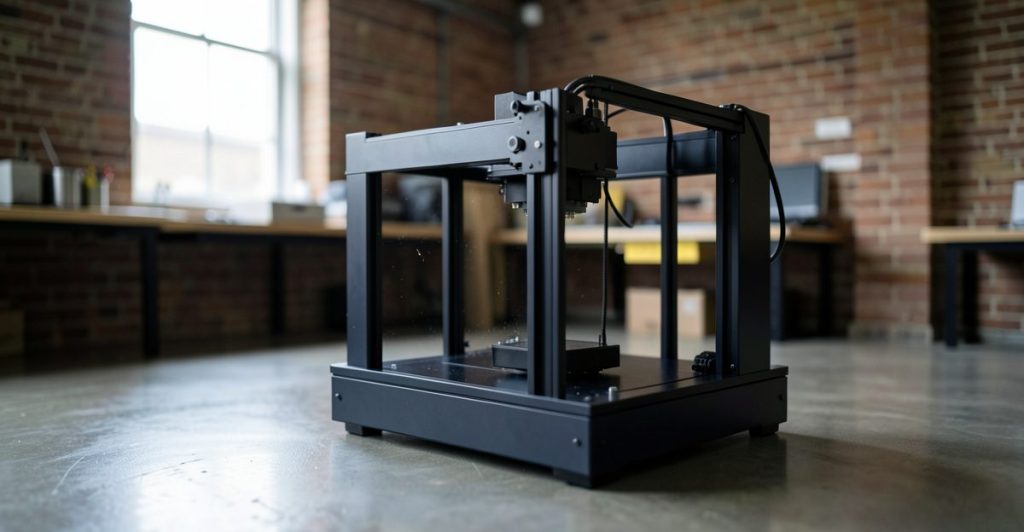
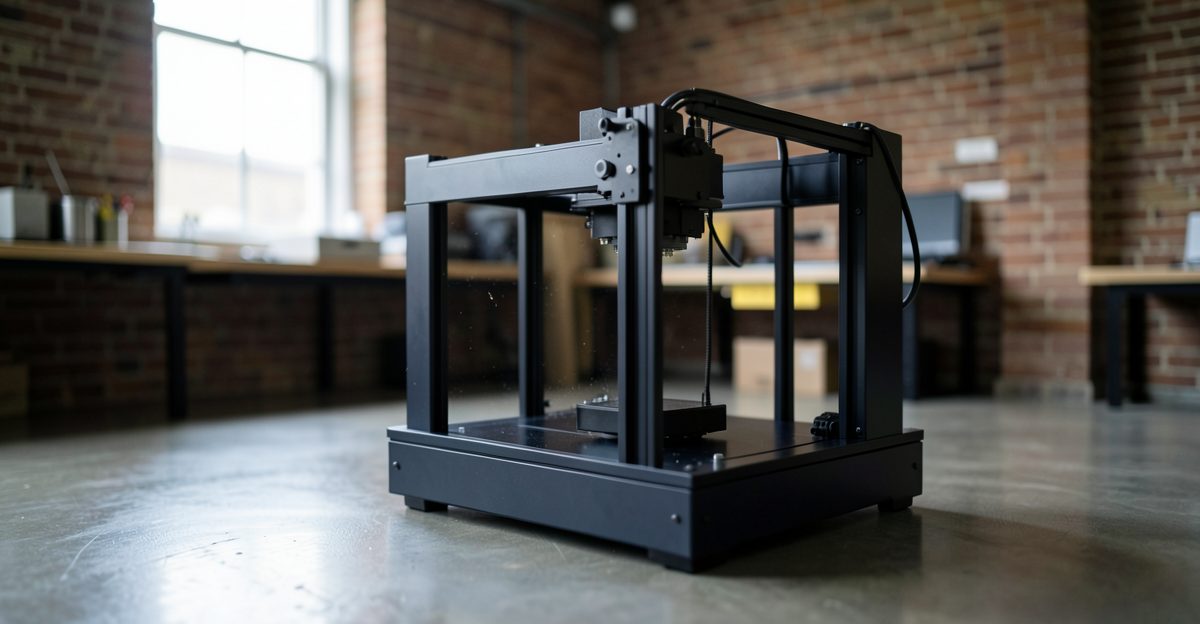
Fused Deposition Modelling (FDM) operates by melting a solid thermoplastic filament and extruding it through a heated nozzle. The printer moves the nozzle in two dimensions while the build plate moves vertically. This creates parts with visible layer lines and a slightly rougher surface texture. The technology relies on mechanical deposition, meaning the strength of the part is directional. Layers bond well along the Z-axis if temperatures are managed correctly, but the part remains susceptible to delamination under high stress.
Resin printing, technically known as Stereolithography (SLA) or Masked Stereolithography (MSLA), uses a different physical process. A vat of liquid photopolymer resin is cured by a light source. In MSLA, a UV LCD screen acts as a mask, curing an entire layer at once. In traditional SLA, a laser traces the layer. The result is a part with extremely high resolution and smooth surfaces. The chemical reaction hardens the resin instantly, allowing for intricate details that FDM cannot replicate. This is the core FDM vs SLA difference that dictates material choice.
The choice between these methods often comes down to the end use. FDM is the standard for engineering prototypes and functional tools. Resin is the standard for visual prototypes, miniatures, and dental applications. Understanding this distinction is vital for anyone asking FDM or resin which is better for their specific project.
How do print speeds and resolution compare in 2026?
Resolution is measured in layer height. FDM printers typically operate between 100 and 300 microns. Even with a 0.1mm layer height, the nozzle diameter (usually 0.4mm) limits the smallest feature size. You will always see a stepped effect on curved surfaces. Resin printers, particularly MSLA models, routinely achieve 25 to 50 micron layer heights. This allows for near-photographic detail on small objects. The surface finish on resin prints is often smooth enough to require minimal post-processing.
Speed is where FDM traditionally holds the advantage. A large FDM print, such as a 200mm cube, might take four to six hours. The same size object in resin would take significantly longer due to the curing time per layer. However, MSLA technology has improved. Modern resin printers can cure large areas simultaneously. A small resin print might take only thirty minutes. For large resin prints, the time penalty remains significant. The FDM vs MSLA comparison 2026 shows that resin is faster for small, detailed items, while FDM wins for large, simple volumes.
Print volume also differs. FDM machines like the Bambu Lab X1 Carbon offer build volumes of 256x256x256mm as standard. Resin build volumes are generally smaller, often capped at 219x123x250mm for consumer models. Industrial SLA systems offer larger volumes but come with a price tag exceeding £10,000. For most UK hobbyists and small businesses, the size limitation of resin is a trade-off for quality.
Which material properties suit functional applications?
FDM materials are thermoplastics. Common options include PLA, PETG, ABS, and Nylon. These materials are chosen for their mechanical properties. PETG offers a good balance of strength and flexibility. Nylon is tough and wear-resistant. Polycarbonate (PC) is extremely strong and heat resistant. These materials can be used for jigs, fixtures, and mechanical parts. The parts are durable and can withstand impact. They are also recyclable in many municipal schemes, although this varies by council in the UK.
Resin materials are liquid polymers. Standard resins are brittle and yellow under UV light. They are not suitable for functional parts. However, engineering resins have improved. Tough resins mimic ABS. Flexible resins mimic rubber. Ceramic-filled resins allow for post-processing like sanding and painting. Despite these advances, FDM parts generally have superior tensile strength and impact resistance. If you need a part that will bear load, FDM is the safer choice. The material science behind FDM filaments is more mature for structural applications.
Heat resistance is another factor. PLA softens at 60 C. PETG handles up to 75 C. ABS and PC handle higher temperatures. Most standard resins soften at 45-50 C. Engineering resins might reach 80 C. If your part will be used in a car dashboard or near a heat source, FDM with the correct material is essential. Resin parts may deform in warm environments.
What are the safety and environmental considerations?
FDM printing is generally considered safe. PLA is derived from corn starch and is biodegradable. It emits very little odour. PETG and ABS can emit volatile organic compounds (VOCs). ABS releases styrene, which has a distinct smell and requires ventilation. Most UK users print in well-ventilated rooms or use enclosures with HEPA filters. The waste is solid plastic scraps, which can be ground down and reused in some cases.
Resin printing involves hazardous chemicals. Uncured resin is a skin irritant and a potential allergen. It must be handled with nitrile gloves and eye protection. Spills require careful cleanup with isopropyl alcohol. The waste includes uncured resin, which is liquid chemical waste. It cannot be poured down the sink. It must be disposed of as hazardous waste. Many UK recycling centres do not accept resin waste. Users must send it to specialist disposal services or use resin recycling filters.
Post-processing for resin is also chemical-heavy. Parts must be washed in alcohol and then cured under UV light. This adds steps and safety risks. FDM parts may require sanding or solvent smoothing (for ABS). This is dust-based or vapour-based. While solvent vapour requires care, it is generally less hazardous than handling liquid resin. The environmental impact of resin is higher due to the chemical waste stream.
How do costs compare for entry-level setups?
Entry-level FDM printers are affordable. You can buy a reliable machine for £150 to £200. Filament spools cost £10 to £15 per kg. The ongoing cost per part is low. A small PLA part might cost £0.50 in material. The machines are robust and require minimal maintenance. Nozzles wear out but are cheap to replace. This makes FDM accessible for schools and beginners in the UK.
Entry-level resin printers have become cheaper. Models like the Anycubic Photon Mono series start around £100. However, the ongoing costs are higher. A litre of standard resin costs £20 to £30. You need less material per part, but the price per litre is steep. You also need to buy isopropyl alcohol for washing, which adds to the cost. UV curing stations are often sold separately for £20 to £40.
Hidden costs for resin include safety gear. Gloves, masks, and ventilation fans add £50 to the initial outlay. Disposal bags for hazardous waste are an annual cost. FDM has no such hidden costs. The total cost of ownership for resin is higher, even if the printer is cheap. For high-volume production of small items, resin might be cost-effective. For occasional use, FDM is cheaper.
Which method is better for miniatures and jewellery?
Miniature gaming and tabletop hobbies dominate the resin market. The detail required for 28mm figures is beyond the capability of most FDM printers. Resin captures hair, facial features, and fabric folds with precision. The smooth surface allows for easy painting. Many UK hobbyists use resin printers specifically for this purpose. The FDM vs resin 3D printing debate is settled here: resin is the superior choice for visual fidelity.
Jewellery making also favours resin. Lost-wax casting requires a high-resolution model. Resin prints can be cast directly if they are burnout-compatible. The fine detail ensures that the final metal piece is accurate. FDM prints leave too much surface texture for fine jewellery. The layer lines would show in the final cast. Resin provides a mirror-like finish that is ideal for casting.
Dental applications are another niche. Dentists use resin to print models and surgical guides. The accuracy is critical. FDM cannot achieve the necessary precision. The cost of dental resin is high, but the value of the printed part justifies it. This is a professional application where resin is the only viable option.
What is the post-processing workflow for each?
FDM post-processing is simple. You remove the part from the build plate. You may need to remove support structures. This involves pliers or scissors. Sanding can smooth layer lines. Painting is straightforward. The workflow is quick and clean. You can print and finish a part in under an hour. This speed is valuable for iterative prototyping.
Resin post-processing is complex. You must wash the part to remove uncured resin. This takes 10 to 15 minutes in an ultrasonic washer or manual bath. Then you must cure the part under UV light for 5 to 10 minutes. If you are printing many parts, this becomes a bottleneck. You need to manage the chemical waste during washing. The process is messy and time-consuming. However, the result is a high-quality part with minimal sanding required.
Support removal for resin is delicate. Supports are thin and can damage fine details. You need precision tools. FDM supports are thicker and easier to remove. The workflow difference is significant. Resin requires a dedicated workspace for washing and curing. FDM can be done anywhere with basic tools.
Frequently asked questions
Is FDM or resin better for beginners?
FDM is better for beginners. It is less messy, safer, and more forgiving. Resin requires handling hazardous chemicals and complex post-processing.
Can I print functional parts with resin?
Yes, using engineering resins like tough or flexible resin. However, FDM materials like Nylon or PC are generally stronger and more durable.
Which is faster for large prints?
FDM is significantly faster for large prints. Resin printing time increases linearly with height, making large objects very slow to print.
Do I need a ventilated area for FDM?
For PLA, no. For ABS or PETG, yes. Ventilation helps remove VOCs and odours. Resin always requires good ventilation or a fume hood.
Why Thinglab on FDM vs resin 3D printing
Thinglab has tested hundreds of printers since 2008. We understand the practical realities of UK workshops and homes. Our advice is based on real-world usage, not just specifications. We help you choose the right tool for your needs. Whether you need a durable bracket or a detailed miniature, we provide the facts to decide.
Related Thinglab guides
Further industry resources
Topics covered in this article include FDM or resin which is better, FDM vs SLA difference, FDM vs MSLA comparison 2026. Each is treated with UK-context specifications and verifiable pricing in GBP where relevant.
Why Thinglab on FDM vs resin 3D printing
Thinglab provides FDM vs resin 3D printing guidance grounded in 15+ years of UK 3D printing operating experience since 2008, originating in the founding team at London. Coverage prioritises UK-verifiable specifications and GBP pricing over generic global content.