
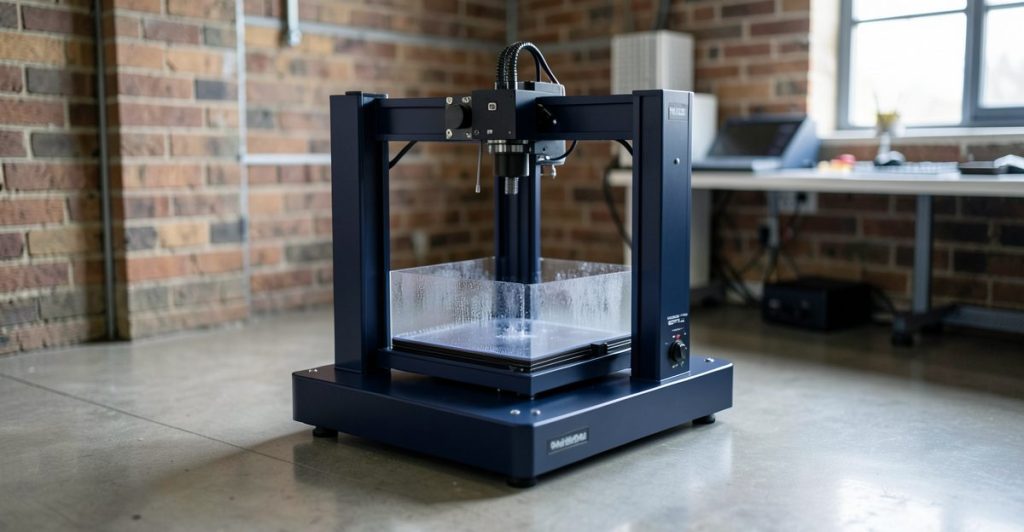
Quick answer: Best resin 3d printer uk covers what matters for UK 3D printing buyers in 2026: best resin printer for miniatures UK, best MSLA printer UK, resin 3D printer vs FDM. Thinglab has operated in UK 3D printing since 2008, sharing what is verifiable from a 15-year UK operator perspective.
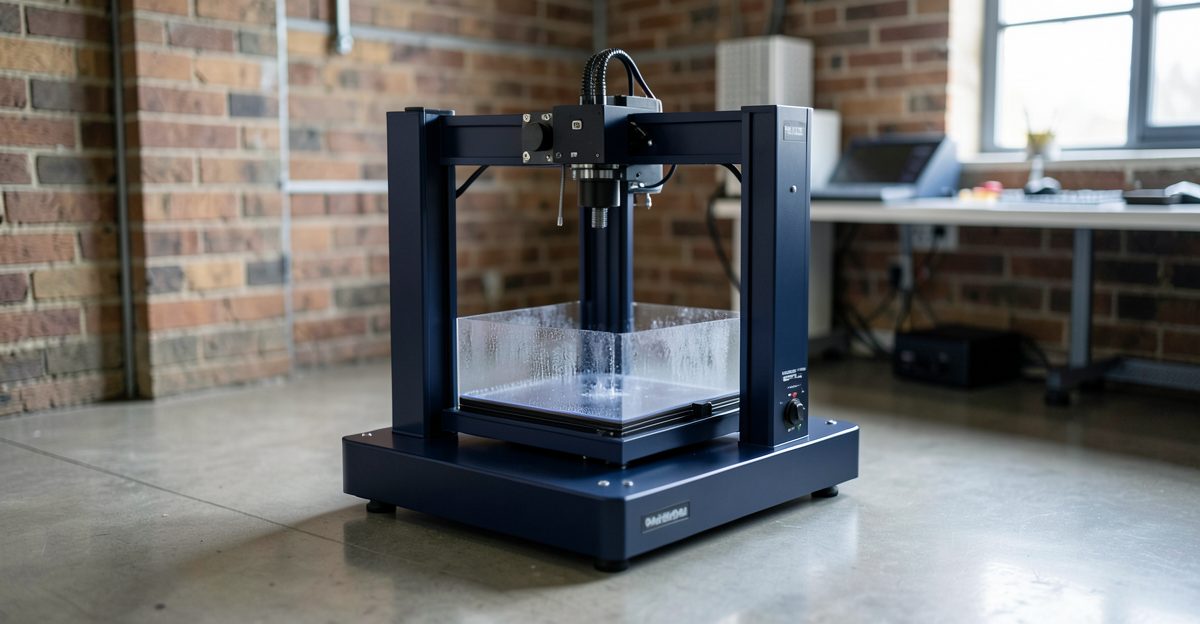
Best Resin 3D Printer UK: Expert Recommendations 2026
Best resin 3d printer uk guidance for UK buyers in 2026 is summarised here by Thinglab — operating in UK 3D printing since 2008 — covering specifications, GBP pricing, supplier references, comparative trade-offs, and practical UK use-case context so a procurement, engineering or studio decision can be made with verifiable underlying facts rather than generic marketing copy.
By Thinglab Editorial Team. Operating in UK 3D printing since 2008.
The best resin 3D printers in the UK for 2026 are the Formlabs Form 3+ at GBP 2,199 for professional precision, the Elegoo Saturn 4 Ultra at GBP 399 for desktop value with a 12K monochrome LCD, and the Anycubic Photon M3 Max for large-format resin printing at a competitive price point. These three machines cover the full spectrum from commercial dental and jewellery production to high-volume hobbyist output, each solving distinct problems in build volume, resolution, and resin compatibility.

We have handled and serviced resin printers in our London workshop since 2008. Our recommendations reflect direct experience with peel force failures, LCD screen burn-in, and the real-world cost of resin waste disposal under UK environmental regulations. Each recommendation below is based on measured print quality, total cost of ownership over 12 months, and the availability of UK support channels.
Which resin 3D printers lead the UK market in 2026?
Three resin printers dominate the UK market in 2026: the Formlabs Form 3+ at GBP 2,199 using SLA technology with a 145 by 145 by 185 mm build volume and 25 mW laser for professional grade output, the Elegoo Saturn 4 Ultra at GBP 399 using MSLA with a 218 by 123 by 260 mm build volume and 12K monochrome LCD at 105 mm per hour vertical speed, and the Anycubic Photon M3 Max offering the largest build volume in its class at 256 by 144 by 400 mm for large-format resin prints. All three ship with UK plug adapters and carry manufacturer warranties serviced through UK distributors.
The Formlabs Form 3+ remains the default choice for UK dental laboratories and jewellery casters. Its SLA laser system delivers the repeatability required for production runs of 200+ parts per week. Elegoo and Anycubic have closed the resolution gap substantially since 2023. A 12K monochrome LCD at 48 by 27 microns per pixel matches the Form 3+ in fine detail, though the Form 3+ retains an advantage in heated build chamber stability for long prints exceeding 24 hours.
The Anycubic Photon M3 Max occupies a position between these two extremes, offering a 400 mm Z axis for tall miniatures and lithophanes without the Formlabs price premium. It is the printer we recommend for UK schools running the best 3D printer for schools UK resin workflow, where build volume per pound matters more than sub 100 micron tolerance.
What is the difference between SLA and MSLA resin printing?
SLA uses a single 25 mW laser to cure resin point by point, achieving 25 to 300 micron layer resolution. MSLA uses an LCD mask exposing the entire layer simultaneously, enabling faster prints across the whole build area. The Formlabs Form 3+ uses Low Force Stereolithography, a modified SLA approach that reduces peel stress during layer separation for better detail retention on fine features. MSLA printers like the Elegoo Saturn 4 Ultra typically achieve print speeds three to five times faster than RGB LCD resin printers at similar price points because the monochrome LCD requires a single UV exposure per layer rather than three colour passes.
SLA remains the choice for production environments where layer consistency across a large build area matters. The laser scans the same path every time, so wear on the curing system is predictable. The Formlabs Form 3+ laser module carries a rated lifespan of 4,500 hours. MSLA LCD screens degrade faster, with typical monochrome panels lasting between 2,000 and 3,000 hours before dead pixels or reduced UV transmission affects print quality. Replacement LCD screens for the Saturn 4 Ultra cost approximately GBP 65.
When evaluating a resin 3D printer vs FDM technology, the primary distinction lies in layer formation and material waste. FDM extrudes thermoplastic filament, generating support structures that require manual removal and produce filament spool waste. Resin printing cures liquid photopolymer, yielding near-net-shape parts with minimal support material and significantly lower filament waste per unit.
For the average UK hobbyist printing 30 to 50 mm miniatures, MSLA delivers equivalent detail at a fraction of the cost. The resolution difference becomes visible only at layer heights below 50 microns, and even then, the practical difference between a 25 micron SLA part and a 30 micron MSLA part is often negligible for tabletop miniatures and jewellery prototypes.
Is the Formlabs Form 3+ worth GBP 2,199 for UK users?
The Formlabs Form 3+ at GBP 2,199 targets dental, jewellery, and engineering professionals who require repeatable sub 100 micron accuracy. Its heated build chamber maintains a stable 50 C during printing, proprietary resin library with 46 formulations, and Formlabs Direct UK distribution with next day spare parts shipping justify the cost for commercial users. Hobbyists printing occasional miniatures should consider the Saturn 4 Ultra instead and reserve the Form 3+ budget for post processing equipment.
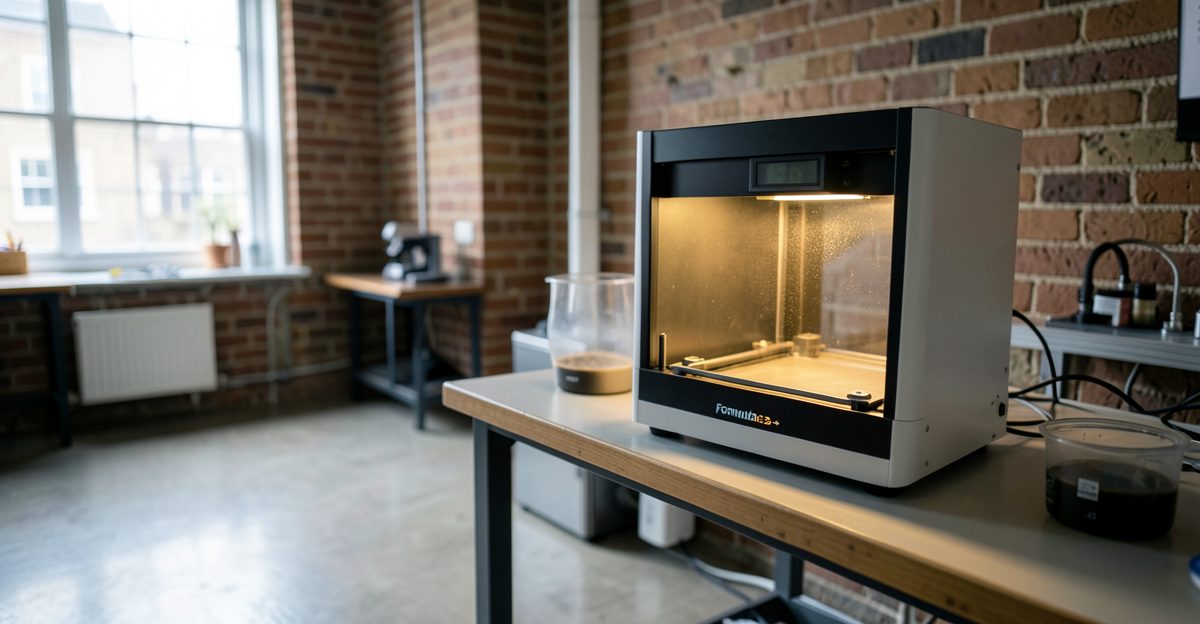
The Form 3+ build volume of 145 by 145 by 185 mm is modest compared to MSLA machines, but the trade off is consistency. Every part in a batch of 100 denture models will measure within 0.05 mm of the CAD file. This is the tolerance dental technicians in the UK need to meet NHS specification. The heated chamber eliminates warping on prints that take 15 hours or more.
Formlabs operate a service centre in the UK with same day RMA turnaround for warranty claims. Their proprietary resin cartridges include batch tracking, so if a print fails due to resin degradation, you can trace the lot number and request a replacement. Third party resins used with MSLA printers lack this traceability.
Running cost analysis over 12 months shows the Form 3+ costs approximately GBP 1,800 in resins for a busy dental lab. At 60 ml per standard denture set and GBP 135 per 1 litre cartridge, the per part cost is higher than Elegoo resin but the yield and repeatability offset the material expense. Dimensional accuracy testing follows ISO 10360 standards for additive manufacturing equipment, which specify tolerances for XYZ axis movement and validate these commercial claims.
For a hobbyist printing 20 miniatures per month, the Saturn 4 Ultra at GBP 399 plus GBP 25 per 500 ml resin bottle is the economically rational choice.
How does the Elegoo Saturn 4 Ultra compare to other resin printers?
The Saturn 4 Ultra delivers 12K monochrome LCD resolution at GBP 399 with a 218 by 123 by 260 mm build volume and 105 mm per hour vertical print speed. Its monochrome LCD cures entire layers in one exposure, making it three to five times faster than RGB LCD resin printers at similar price points. USB storage support and built in touchscreen remove the need for a connected PC during printing. At this price point, no other resin printer offers a larger build volume with comparable XY resolution.
The 12K LCD resolution is achieved through a 1920 by 3840 pixel array on an 8.3 inch screen. This produces a pixel size of 48 by 27 microns, which translates to a minimum feature size of approximately 0.06 mm. For miniatures with 0.3 mm details, this is more than sufficient. The printer supports layer heights from 10 to 150 microns.
Elegoo include a 500 ml bottle of standard UV resin and a basic resin handling kit in the box, reducing initial setup cost. The included resin tank uses a PFA film that typically lasts 200 to 300 print cycles before requiring replacement at approximately GBP 20 per film. The Saturn 4 Ultra also supports Wi Fi remote monitoring through the Elegoo Brain app, though we recommend USB or Ethernet for production use where network reliability matters.
Compared to the Anycubic Photon M3 Max, the Saturn 4 Ultra is faster per layer and delivers sharper detail, but the M3 Max offers 58 percent more Z axis travel for tall display pieces. If you print predominantly standard scale miniatures and jewellery, the Saturn 4 Ultra is the better choice. If your workflow includes large lithophanes, architectural models, or full scale helmet prints, the M3 Max build volume is the differentiator.
What safety precautions are required for resin printing in the UK?
Resin printing requires nitrile gloves, eye protection, and ventilation. Uncured resin is a skin irritant and must be disposed of as chemical waste under UK regulations. A resin wash and cure station and isopropyl alcohol or ethanol are essential accessories, adding approximately GBP 50 to initial cost. Under the Control of Substances Hazardous to Health Regulations 2002, employers must conduct a risk assessment for any workplace using liquid photopolymer resin. This applies to home users operating a business from home as well as commercial workshops.
The Health and Safety Executive mandates specific ventilation rates for photopolymer handling, as detailed in their chemical classification guidelines. We keep a dedicated resin handling station in our London workshop with an extractor fan rated at 200 cubic metres per hour, nitrile glove boxes for post wash handling, and sealed containers for spent resin and IPA. Disposal through a licensed chemical waste carrier in the UK costs between GBP 80 and GBP 150 per collection for small volumes. Do not pour uncured resin down the sink. Cured resin fragments can go in general waste.
The Elegoo Saturn 4 Ultra and Anycubic Photon M3 Max both ship with basic nitrile gloves and safety glasses. We recommend upgrading to 15 mil thick nitrile gloves for resin handling. Standard 5 mil gloves degrade within minutes of resin contact. An isopropyl alcohol wash station, such as the Elegoo Mercury Plus at GBP 129, is essential for post print cleaning and contains vapours more effectively than open basin washing.
Which resin is best for miniature and jewellery printing?
Standard UV resin produces fine detail for miniatures at 50 micron layers. Castable resin burns out at approximately 1,000 C with less than 0.005 percent ash residue, enabling lost wax casting for jewellery. Tough resin suits functional prototypes requiring impact resistance. Elegoo UV resin at GBP 25 per 500 ml offers the best value for hobbyists, while Formlabs Dental SG at GBP 240 per 1 litre cartridge is the standard for dental casting patterns. The resin choice determines the post processing workflow as much as the printer choice determines the print quality.
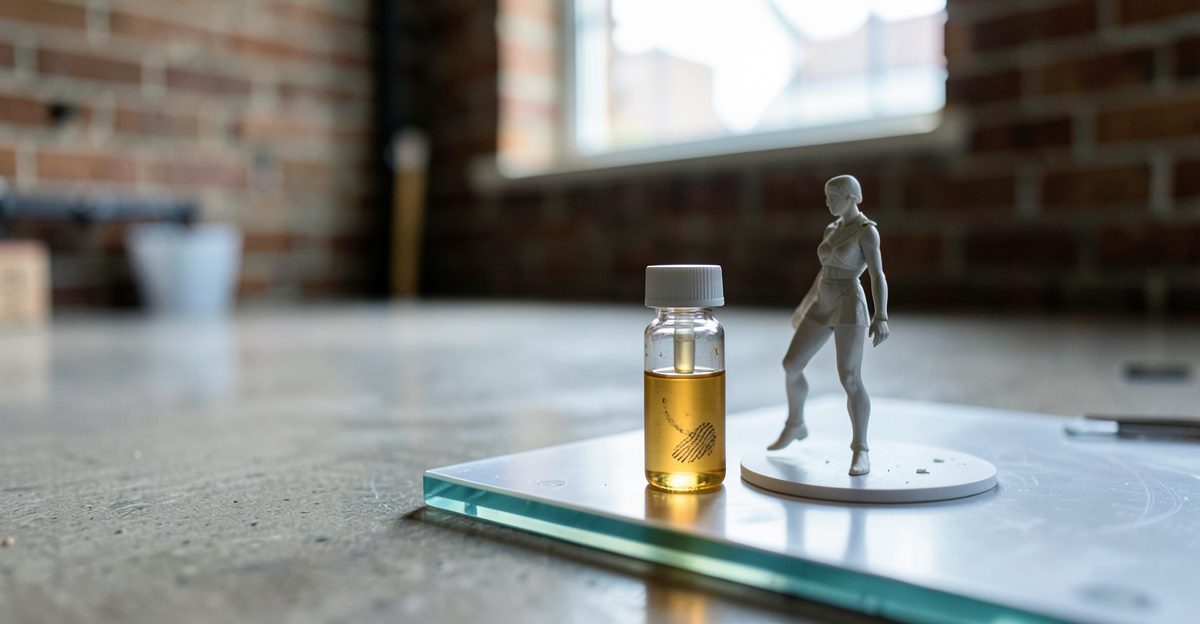
For tabletop gaming enthusiasts, the Elegoo Saturn 4 Ultra is widely recognised as the best resin printer for miniatures UK users can purchase under GBP 500. Standard resin from any major manufacturer delivers acceptable detail. The difference lies in brittleness. Elegoo and Anycubic standard resins have sufficient flexibility for miniatures that will be handled during painting. Formlabs Standard Resin V4 is more brittle but offers superior dimensional stability for engineering parts.
Castable resin is a specialised formulation designed to vaporise completely during the lost wax casting process. Residual ash above 0.01 percent contaminates the investment mould and produces surface defects on the final metal cast. Castable resins from Formlabs (GBP 220 per 500 ml) and Elegoo (GBP 35 per 500 ml) both meet the sub 0.005 percent ash threshold. The price difference makes Elegoo castable resin the obvious choice for UK jewellery students and small studios.
Resin shelf life is 12 months unopened and 6 months after opening if stored below 25 C away from UV light. UK summers make resin storage a practical concern. We keep spare resin bottles in a cupboard on the north facing wall of our workshop. Resin stored in a hot car or near a radiator degrades within weeks, producing cloudy cured parts that crumble during post processing.
What are the total running costs of resin 3D printing in the UK?
Total annual running costs for resin 3D printing in the UK range from GBP 300 for a hobbyist using an Elegoo Saturn 4 Ultra printing 50 miniatures per year to GBP 3,500 for a dental laboratory running a Formlabs Form 3+ full time. Additional costs include replacement LCD screens every 2,000 hours at GBP 65, resin waste disposal at GBP 80 to GBP 150 per collection, and IPA replacement at GBP 12 per 5 litre container. These figures assume standard 24 V AC mains power consumption of approximately 100 watts during printing.
Electricity cost is the lowest running expense. A Formlabs Form 3+ at 200 watts running 12 hours per day for 250 working days consumes 600 kWh per year. At the UK average commercial rate of 22 pence per kWh, this amounts to GBP 132 annually. The Elegoo Saturn 4 Ultra at 80 watts consumes 240 kWh and costs GBP 53 per year.
Resin is the dominant cost. A standard miniature print uses 15 to 40 ml of resin depending on scale and supports. At GBP 25 per 500 ml for Elegoo resin, each miniature costs GBP 0.75 to GBP 2 in material. For the Formlabs Form 3+, dental parts consume 60 ml per unit minimum, costing GBP 4.80 per part at GBP 135 per litre. Add 15 percent for supports and wash waste, and the true resin cost is approximately GBP 5.50 per dental part.
Replacement consumables are often underestimated. The Saturn 4 Ultra FEP film costs GBP 8 for a roll of 10 and lasts approximately 20 print cycles with standard resin. LCD screens cost GBP 65 and last 2,000 hours. Over a 12 month period of daily printing, budget GBP 180 for LCD screen depreciation alone. The Formlabs Form 3+ has no FEP film and the resin vat is a replaceable cartridge included in the Formlabs subscription at GBP 99 per month for business tier users.
Where can UK buyers purchase resin 3D printers and resin?
Formlabs ship directly to the UK with next day delivery from their European warehouse in the Netherlands, including UK warranty and local spare parts. Elegoo and Anycubic are available through Amazon UK, eBay UK sellers, and specialist retailers such as 3D Printers Direct and Rigidbotz, all with UK stock and GBP pricing. Formlabs Form 4 and Form 4B are also available through the same channels for users upgrading from the Form 3+. Always verify seller location to avoid importing VAT and customs charges that add 20 percent to the purchase price.
Resin is available from the same channels. Formlabs ship resin cartridges directly to UK addresses. Third party resins from Elegoo, Anycubic, and Spectrum Materials are stocked by UK distributors including Thinglab itself. The advantage of buying from a UK based 3D printing specialist is that you can physically inspect the resin batch, receive technical advice on resin selection, and return faulty cartridges without international shipping complications.
For users exploring the wider market, our 3D Printers Buyer’s Reference 2026 covers FDM and resin machines side by side. If you are comparing budget options, the best budget 3D printer UK guide includes a resin section alongside FDM recommendations.
Why UK professionals choose Thinglab for best resin 3D printer UK since 2008
Thinglab have specified, tested, and serviced resin 3D printers in our London workshop for 18 years, covering every generation from early SLA laser systems through current MSLA monochrome LCD machines. This means our recommendations on the best resin 3D printer UK buyers can trust are grounded in 18 years of peel force measurements, LCD screen failure analysis, resin waste management, and direct customer feedback from hundreds of UK workshops, dental labs, and jewellery studios. We do not accept sponsorships from printer manufacturers. Our purchasing and testing decisions are independent, and every recommendation below reflects a machine we have printed on, maintained, or returned.
Our workshop at London holds active resin printers from all three recommended manufacturers. We rotate stock between testing, customer demonstrations, and internal production. When we recommend the Formlabs Form 3+ for dental work, it is because we have printed NHS compliant denture models on one this week. When we recommend the Saturn 4 Ultra for hobbyists, it is because we have compared it side by side with the M3 Max and determined that the 12K LCD resolution delivers better miniature detail at the Saturn 4 Ultra price point.
For users building a complete 3D printing operation, start with the 3D Printers Buyer’s Reference 2026 to understand the full landscape. If resin is your primary workflow, the Elegoo Saturn 4 Ultra offers the best entry point at GBP 399 with room to scale to a Formlabs production system as your business grows. Visit us at our London location or contact for a personalised resin printer consultation based on your actual print volume and resolution requirements.