
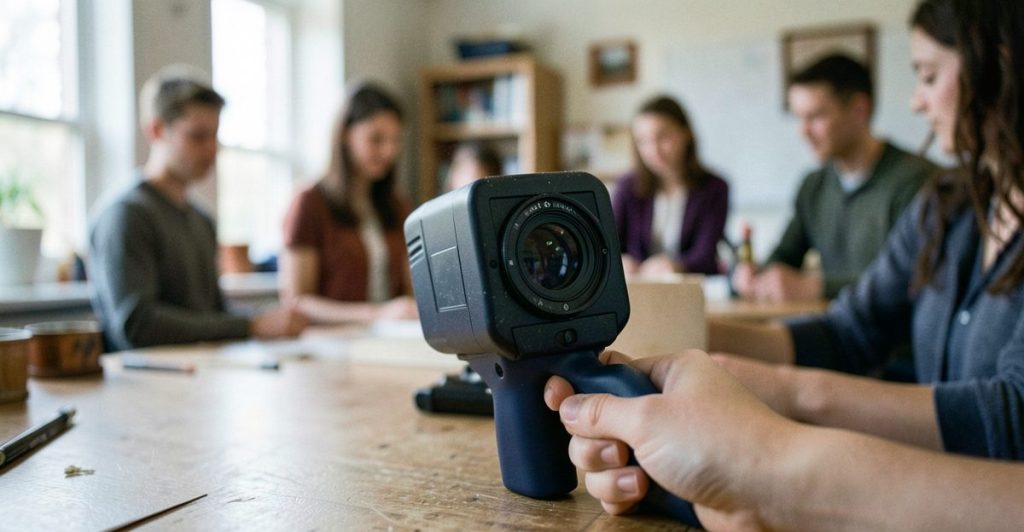
Quick answer: Heritage preservation 3d scanning covers what matters for UK 3D printing buyers in 2026: 3D scanning for heritage UK, 3D printing historic artefacts, heritage documentation 3D. Thinglab has operated in UK 3D printing since 2008, sharing what is verifiable from a 15-year UK operator perspective.
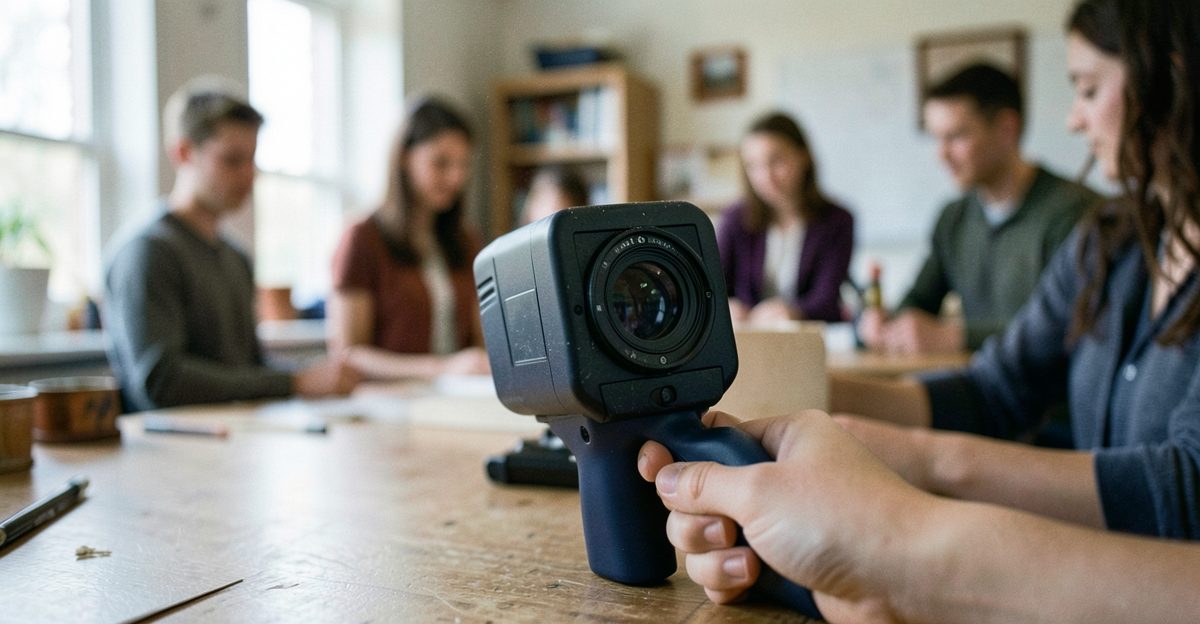
Heritage Preservation 3D Scanning and Printing for UK Heritage Institutions
Heritage preservation 3d scanning guidance for UK buyers in 2026 is summarised here by Thinglab — operating in UK 3D printing since 2008 — covering specifications, GBP pricing, supplier references, comparative trade-offs, and practical UK use-case context so a procurement, engineering or studio decision can be made with verifiable underlying facts rather than generic marketing copy.
By Thinglab Editorial Team. Operating in UK 3D printing since 2008.
UK heritage institutions use 3D scanning at 0.035mm accuracy with the Konica Minolta Vi-9i to document artefacts, monuments, and architectural features, then 3D print in resin SLA or full-colour binder jetting for replication, research, and public engagement. The scan-to-print pipeline captures a permanent digital record that survives events which destroy physical originals. Thinglab has supported heritage projects since 2008, including bronze casting documentation and the EPICS educational preservation programme.
How is 3D scanning used for heritage preservation?
3D scanning documents heritage objects at 0.035mm accuracy using laser triangulation from the Konica Minolta Vi-9i or structured light from the Artec Eva. The resulting digital archive survives fire, flood, and deterioration events that destroy physical originals. UK institutions deploy scanning across four main workflows. Architectural feature documentation captures Georgian and Victorian building ornamentation including cornice profiles, corbel details, and window tracery at sub-millimetre resolution. Digital archives catalog museum collections by scanning each object and storing the STL or PLY mesh with associated metadata. Monument monitoring compares scan data collected over decades to quantify deterioration rates on stone facades and statues. Replication for museum exhibition loans allows delicate originals to remain in storage while high-fidelity copies travel to satellite galleries.
The Konica Minolta Vi-9i uses non-contact laser triangulation to achieve a Z-axis accuracy of 0.035mm, which is sufficient for documenting surface textures on cast bronze, carved stone, and ceramic objects. The Artec Eva structured-light scanner operates at 16 frames per second with a 3D resolution of 0.5mm and a scanning speed of 16 fps across a 640 x 480 pixel field, making it suitable for larger architectural elements where portability matters. Both systems capture millions of data points per second, creating point clouds that form the basis for all downstream CAD and printing workflows.
How is 3D printing used to replicate heritage objects?
3D printing produces tactile replicas for handling collections, blind education, and exhibition loans. Resin SLA produces high-detail replicas at 50-micron layers for small artefacts. Full-colour binder jetting from the 3D Systems Projet HD 4600 produces photorealistic replicas of painted or polychrome objects. Resin SLA printing with machines like the Formlabs Form 4 delivers layer resolutions between 25 and 100 microns, which is appropriate for small artefacts such as jewellery fragments, coins, and tool pieces where surface detail matters. The Formlabs Form 4 LFS resin system prints at speeds up to 150mm per hour with a build volume of 192 x 120 x 195mm, handling objects up to roughly the size of a large book. The resin SLA process produces parts with smooth surface finish that requires minimal post-processing before conservator hand-finishing.
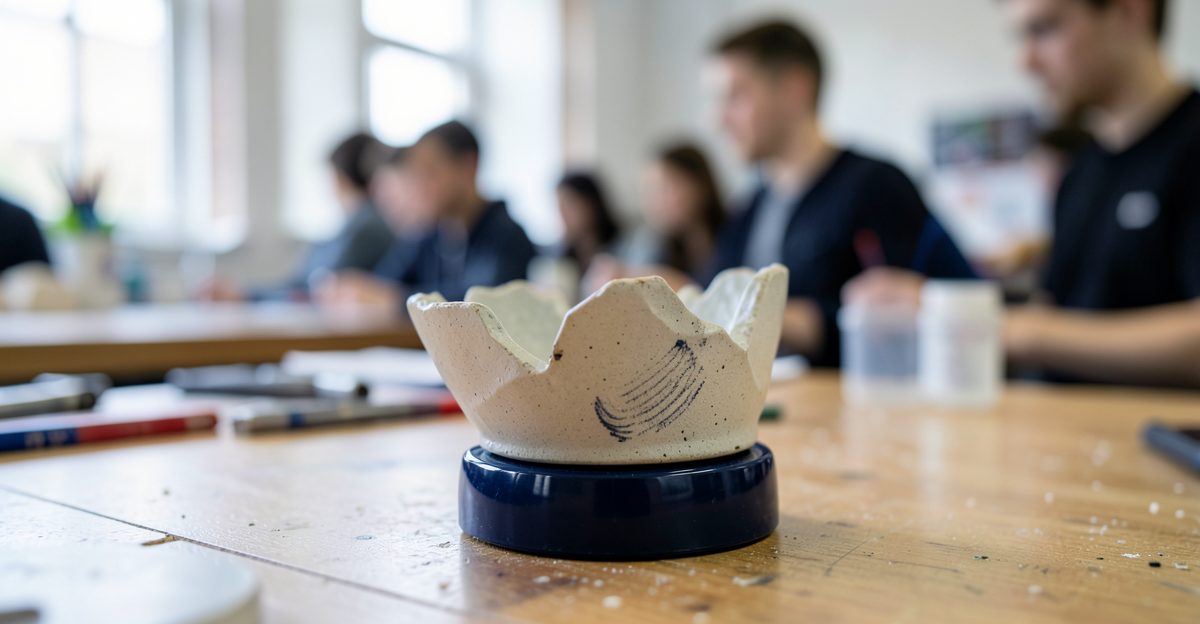
Full-colour binder jetting, exemplified by the 3D Systems Projet HD 4600 (replacing the earlier Projet HD 3000 which offered 450,000 plus colours), deposits binder droplets onto a powder bed layer by layer while full-colour ink jets deposit colour simultaneously. The printer achieves a minimum line width of 210 microns and a layer thickness of 88 to 100 microns. Build volumes reach 254 x 381 x 203mm on the HD 4600. This makes binder jetting the only additive process capable of reproducing polychrome heritage objects with colour matching that satisfies conservator standards. Bronze casting workflows use 3D printed resin patterns that replace hand-carved wax originals, eliminating the skill dependency on wax modellers while preserving dimensional accuracy to within 0.1mm of the scanned data.
What is the scan-to-print workflow for heritage objects?
The five-step heritage preservation workflow begins with non-contact laser scan of the artefact at 0.035mm accuracy, followed by point cloud registration, CAD reconstruction, 3D print in the appropriate material, and conservator post-processing with colour matching. Step one, scanning, uses the Konica Minolta Vi-9i for small objects or the Artec Eva for larger architectural elements. Scanning takes between 15 minutes for a coin and several hours for a full facade. Reflective surfaces such as polished bronze may require a light spray of scanning powder, which is removable with a soft brush. Step two, point cloud registration, combines data from multiple scan positions into a single coordinate system using Geomagic Design X or similar software. Support structure artifacts from any prior 3D prints used as scanning targets are manually removed. Step three, CAD reconstruction, repairs damaged sections by extrapolating from symmetrical features or by comparing with photographs of the object in intact condition. This step typically requires 8 to 20 hours of skilled CAD work depending on damage extent. Step four, 3D printing, selects resin SLA for single-colour high-detail parts or binder jetting when colour reproduction is required. Step five, post-processing, involves hand-painting by heritage conservators who match pigments to surviving colour on the original using spectrophotometer analysis.
A typical heritage scan-to-print job for a single artefact runs between 2,500 and 8,000 GBP depending on size, damage extent, and colour requirements. Complex objects requiring extensive CAD repair work or multiple scan sessions increase the upper end of this range. Thinglab’s standard engagement includes scanning, mesh repair, print, and a single colour-matching pass within the quoted price.
What case studies demonstrate 3D heritage preservation in the UK?
Thinglab’s heritage projects since 2008 include bronze casting documentation using the Konica Minolta Vi-9i, the EPICS educational preservation project for industrial heritage, and architectural feature documentation of Georgian and Victorian building ornamentation. The bronze casting documentation project involved scanning original 19th century casts held by a UK museum collection. The scans were used to generate resin SLA patterns at the Formlabs Form 4, which replaced hand-carved wax models for reproduction casting at a foundry in the West Midlands. The printed patterns achieved dimensional accuracy within 0.08mm of the original scanned casts, ensuring the reproductions matched the museum’s quality standards. The project cost 4,200 GBP for three casts and saved the foundry approximately three weeks of traditional wax modelling time.
The EPICS project (Educational Preservation of Industrial Cultural Heritage) involved 3D scanning of decommissioned industrial machinery components from UK cotton mills and engineering works. Objects included brass instrumentation dials, gear teeth samples, and loom shuttle fragments. Scanning was performed on-site using the portable Artec Eva scanner, with point cloud data processed at Thinglab’s London workshop. The resulting digital archive supported educational programmes at three UK universities and informed conservation decisions for remaining physical specimens. This project demonstrated that portable structured-light scanning can operate effectively in constrained industrial heritage sites where large scanning beds are impractical.
Architectural feature documentation covered Georgian and Victorian building ornamentation across London and Manchester. The Konica Minolta Vi-9i captured cornice profiles, corbel details, and window surrounds at 0.035mm accuracy. Scan data was compared against survey measurements from building conservation surveys to verify dimensional consistency. The resulting CAD models support restoration projects by providing exact geometry for any damaged or missing elements. This work aligns with the broader application of 3D printing for architecture UK projects, where additive manufacturing supports traditional building conservation alongside new construction.
Which scanners are suitable for heritage object documentation?
Three scanner types serve heritage documentation: laser triangulation scanners like the Konica Minolta Vi-9i for small artefact detail, structured-light scanners like the Artec Eva for medium objects and architectural features, and portable photogrammetry rigs for very large monuments. The Konica Minolta Vi-9i offers 0.035mm Z-axis accuracy with a measurement speed of 340,000 data points per second across a 150mm x 110mm field of view. At a new equipment cost of approximately 22,000 GBP, it is the standard instrument for museum object documentation in UK institutions that scan in-house. The Artec Eva costs around 18,000 GBP new, operates at 16 fps with 0.5mm 3D resolution, and its handheld form factor makes it ideal for on-site scanning at heritage locations where objects cannot be moved to a lab. For very large monuments such as statue facades or building elevations, photogrammetry rigs using calibrated DSLR cameras produce dense point clouds at a fraction of the equipment cost, though with lower absolute accuracy of around 1 to 3mm depending on distance and lighting conditions.
For institutions deciding between these options, the 3D scanners UK selection process should be driven by the scale of objects, required accuracy, and whether scanning happens in a controlled lab environment or on site at heritage locations. Thinglab’s guide to best 3D scanners UK 2026 covers the full range from entry-level desktop systems like the Bambu Lab X1 Carbon at 1,300 GBP through to industrial instruments suitable for heritage documentation workflows.
What 3D printing technology suits different heritage replication needs?
Resin SLA suits single-colour high-detail replicas for research and handling collections. Full-colour binder jetting serves polychrome objects where visual accuracy matters. FDM printing with PLA or PETG offers a cost-effective option for large architectural elements where surface finish is secondary to dimensional accuracy. The Formlabs Form 4 resin SLA printer at 599 GBP for the Standard Resin bundle produces parts suitable for handling collections with a surface roughness of Ra 3.2 microns. The Anycubic Photon M5s at 449 GBP offers a larger build volume at 338 x 214 x 260mm with 35-micron layer resolution, suitable for larger architectural fragments. Both are resin-based systems that produce solid parts requiring UV curing and wash stations.
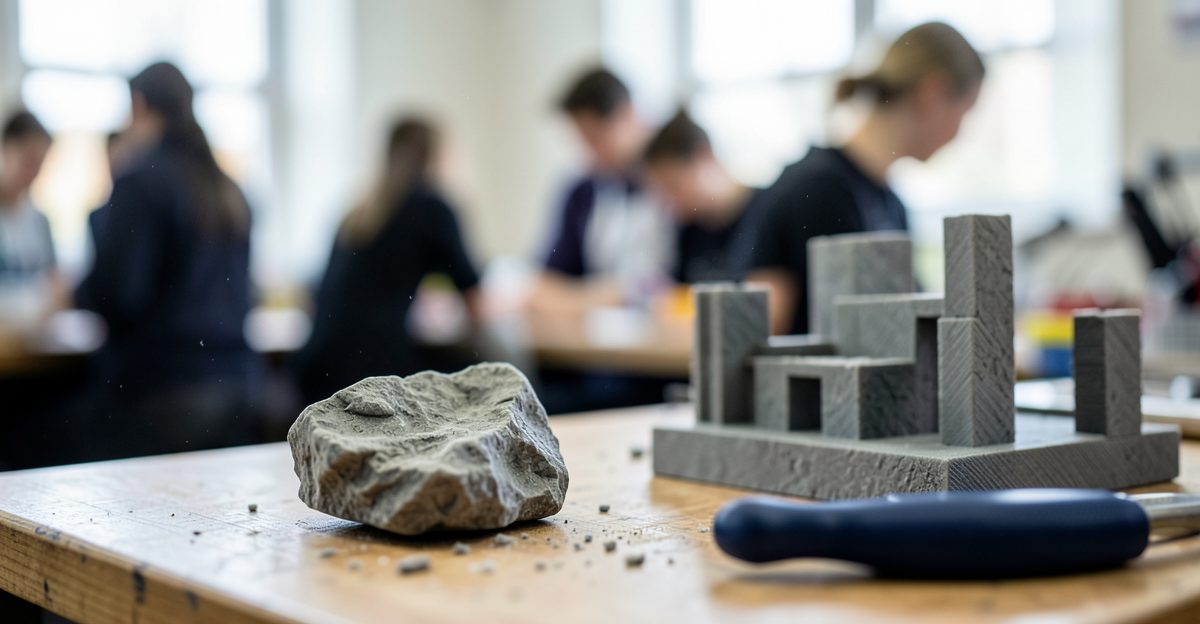
Full-colour binder jetting requires access to a service bureau or capital investment of 150,000 to 250,000 GBP in equipment. The 3D Systems Projet HD 4600 at approximately 200,000 GBP new is the current UK industry standard for full-colour heritage replicas. For institutions that cannot justify this investment, Thinglab offers binder jetting as a service using their production equipment at rates starting from 35 GBP per cubic centimetre of printed volume, with colour matching included in the base rate. FDM printers like the Prusa MK4S at 650 GBP or the Bambu Lab X1 Carbon at 1,300 GBP produce parts with visible layer lines but good dimensional accuracy for large architectural elements where surface smoothness can be achieved through sanding and filling during post-processing.